常见问题解答
以下是关于吸脂手术的常见问题及解答。如有其他疑问,欢迎通过网站留言或电话与我们联系。谢谢。

1. 吸脂手术危险吗?
吸脂手术的风险程度因手术方式而异。
在以全身麻醉为主的研究中(Grazer FM, de Jong RH. Fatal outcomes from liposuction: census survey of cosmetic surgeons. Plastic and Reconstructive Surgery 105:436-446, 2000),1994年至1998年间475,000例吸脂手术中报告了95例死亡。
而采用肿胀麻醉技术的研究中(Housman TS, Lawrence N, Mellen BG, George MN, Filippo JS, Cerveny KA, DeMarco M, Feldman SR, Fleischer AB. The safety of liposuction: results of a national survey. Dermatol Surg. 2002 Nov;28(11):971-8.),1994年至2000年间65,000例吸脂手术中无一例死亡报告。
维纳斯医院采用肿胀麻醉局部麻醉技术进行吸脂手术。肿胀麻醉吸脂的安全性已得到充分验证,它从根本上消除了传统吸脂术相关的重大风险。
2. 手术会很痛吗?
注入肿胀液时、吸脂过程中以及术后都可能有一定程度的不适。但通过正确的技术操作,注射时的疼痛非常轻微。当肿胀液均匀分布后,手术过程基本无痛。在手术接近尾声、仅剩纤维组织时,可能会有轻微不适。
手术过程中,我们会施行清醒镇静麻醉以缓解患者的焦虑及可能产生的不适,患者在手术过程中处于睡眠状态,不会感到疼痛。
术后,肿胀液中的局部麻醉剂在脂肪组织中可持续作用12小时以上,因此术后疼痛非常轻微。多数情况下,服用泰诺(对乙酰氨基酚)即可有效控制疼痛。
3. 多久能恢复正常生活?
恢复时间因吸脂量和手术范围而异。但即使是维纳斯医院通常进行的大容量吸脂手术,大多数患者也能在24至72小时内恢复工作。如果是局部微型吸脂,通常术后次日即可正常活动。
术后会立即使用弹力绷带进行加压包扎。术后1至2天更换为塑身衣。穿上塑身衣后活动更加方便,日常生活基本不受影响。大部分肿胀液在术后前两天通过切口排出,之后排出量急剧减少。术后一周,排液基本停止。因此,只要能在家休息两到三天,接受吸脂手术就不会有太大困难。但术后过度活动可能导致浆液肿的形成。浆液肿是指血浆液体积聚在吸脂后形成的空间内,呈淡黄色液体从引流口流出。过度浅层吸脂或使用过大口径的套管更容易发生浆液肿。
总之,术后3至4周内应避免剧烈运动。
4. 吸脂后皮肤会不会凹凸不平?
术后约5至7天,手术区域的皮肤会开始变硬,这是正常的愈合过程,称为硬化阶段。在此期间,较硬和较软的区域之间的差异可能使皮肤表面看起来略有不平。大约4周后,硬化逐渐消退,肿胀也基本消退,可以看到光滑的效果。
但如果术后数月皮肤表面仍有凹凸不平,则可能是由于脂肪去除不均匀所致。凹凸不平的程度取决于医生的经验和技术。吸脂后完全恢复约需6个月时间。如果对轮廓不满意,建议在完全恢复后(术后5至6个月)再考虑修复手术。
需要特别强调的是,吸脂修复手术往往较为困难,恢复原状的可能性有限。因此,选择经验丰富的医生和可靠的医疗机构至关重要。维纳斯医院采用微型套管的手工精细吸脂技术,其优势在于最大限度地减少皮肤凹凸不平的风险。
5. 手术后能减轻多少体重?
吸脂手术的目的不是减重,而是塑造体形。由于脂肪的体积大于其重量,术后体形变化比体重变化更为明显。吸脂后约一个月,体重减轻量通常为吸出脂肪量的约70%。但术后初期可能因水肿和体液滞留而出现暂时性体重增加。最重要的是术后维持或减少体重。
即使去除大量纯脂肪(例如3,000毫升),实际体重减轻也仅约2公斤。因此,希望进一步减重的患者仍需配合饮食控制。
根据吸脂术后患者满意度调查,术后能良好维持体重的患者满意度更高,对自身体形也更有信心。
6. 术后脂肪会反弹吗?
脂肪细胞在青春期后不会再生或增殖,只会改变大小。吸脂手术永久去除了手术区域的脂肪细胞,因此只要体重保持稳定,脂肪就不会反弹。但如果术后体重明显增加,剩余的脂肪细胞会增大。
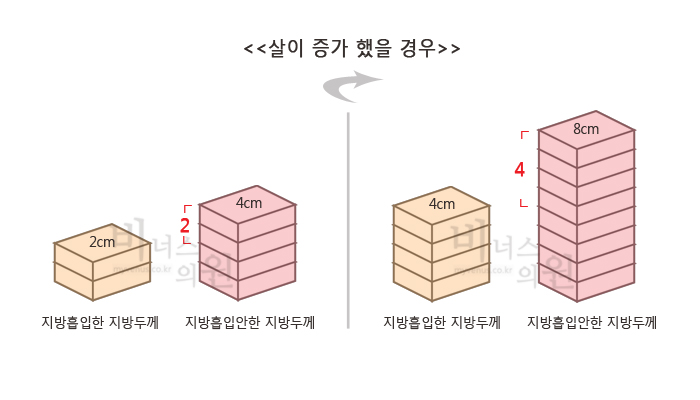
例如,假设未手术区域的脂肪层厚度为4厘米,手术区域减至2厘米。如果体重增加一倍,全身脂肪层会按比例增厚——未手术区域变为8厘米,手术区域变为4厘米。两者的差距从2厘米扩大到4厘米,手术区域可能看起来相对凹陷。
但真正的反弹效应——即在没有体重增加的情况下手术区域恢复到原来的厚度——是不会发生的,因为被去除的脂肪细胞不会再生。
总之,只要维持体重,手术区域就不会再次积聚脂肪。
7. 单次手术能吸多少脂肪?
我们不建议单次手术去除超过5,000毫升的纯脂肪。去除量越大,并发症的风险越高。如需更多吸脂,应间隔至少3至4周分次进行。人体能够承受的手术创伤是有限的。不建议将吸脂与其他整形手术同时进行。在全身麻醉或静脉麻醉下一天内进行多项手术存在重大安全隐患。
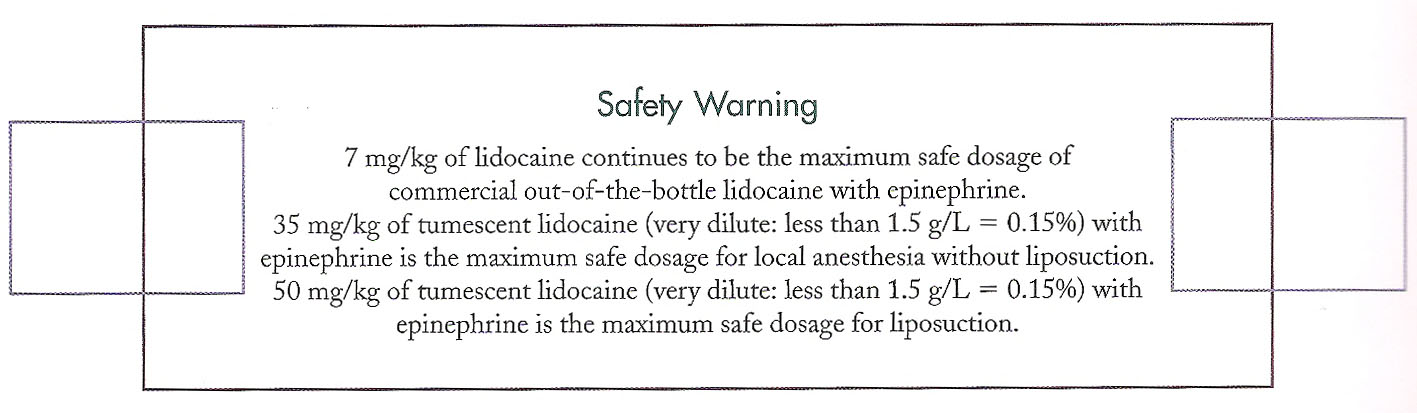
采用肿胀麻醉吸脂时,必须精确计算局部麻醉剂利多卡因的用量,避免超过中毒剂量。目前利多卡因的严格最大安全剂量(保守估计)为35mg/kg,美国美容整形外科学会建议不超过55mg/kg。
因此,以35mg/kg的利多卡因用量计算,单次手术可治疗的最大范围通常为:大腿及臀部全部,或胸腹部全部,或上臂及腋窝等区域。超出此范围的肿胀麻醉吸脂可能引起局部麻醉剂中毒,应予以避免。
在全身麻醉下,手术范围不受局部麻醉剂剂量的限制,可以治疗更大面积,但其他并发症的风险会显著增加。吸脂相关事故中最大的风险因素是静脉血栓栓塞症,其主要诱因包括过度组织损伤、全身麻醉引起的低体温以及过量静脉输液导致的血液稀释。
全身麻醉或静脉麻醉下死亡率增加的因素包括:
- 同时进行多项手术
- 手术时间过长
- 单次手术吸脂量过大
- 静脉输液过量
- 全身麻醉下对利多卡因中毒剂量的容忍
对于超过5,000毫升的大容量吸脂,维纳斯医院采用双医生同步操作系统,两名医生同时进行手术。这种方式将手术时间缩短一半以上(通常为1至2.5小时),使手术更快速、更安全。即使对于高度肥胖的患者,我们也仅使用局部肿胀麻醉配合清醒镇静,无需全身麻醉。缩短的手术时间使医生能够更加细致、彻底地去除脂肪,即使在大容量吸脂的情况下也能获得光滑平整的效果。大容量吸脂需要细致的关注和严格的术后管理,维纳斯医院在此领域拥有丰富的经验。
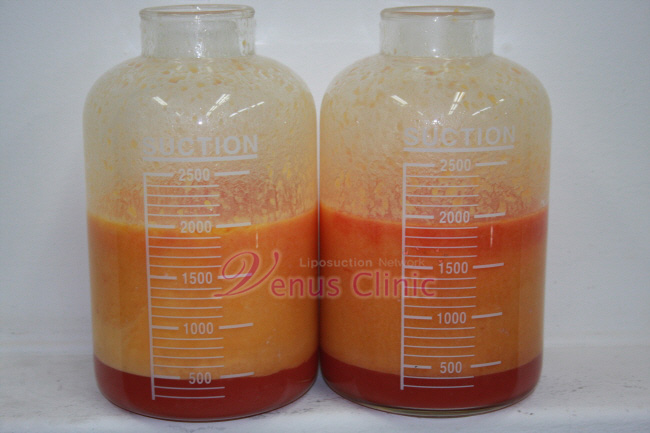
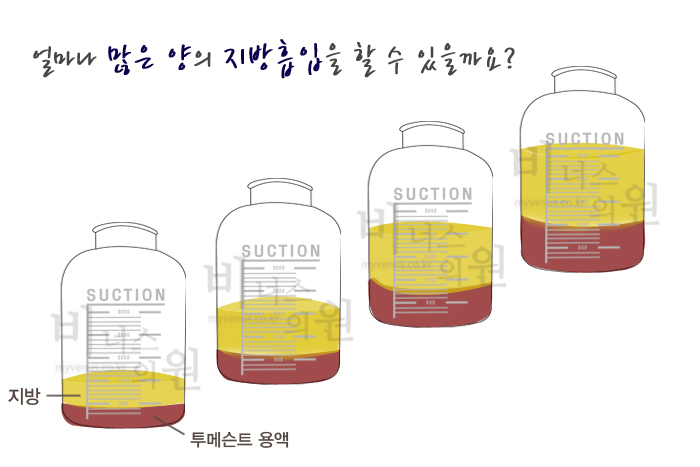
上图为吸脂后收集的吸出物。上层黄色物质为吸出的脂肪,下层为肿胀麻醉液。极少的血液混入表明手术几乎无出血。本例中纯脂肪量约为3,000毫升,预计体重减轻约2公斤。
维纳斯医院通过肿胀麻醉吸脂术最大限度地减少出血和并发症风险,同时能去除5,000毫升以上的脂肪,获得优异的美容效果。
8. 术后必须穿塑身衣吗?
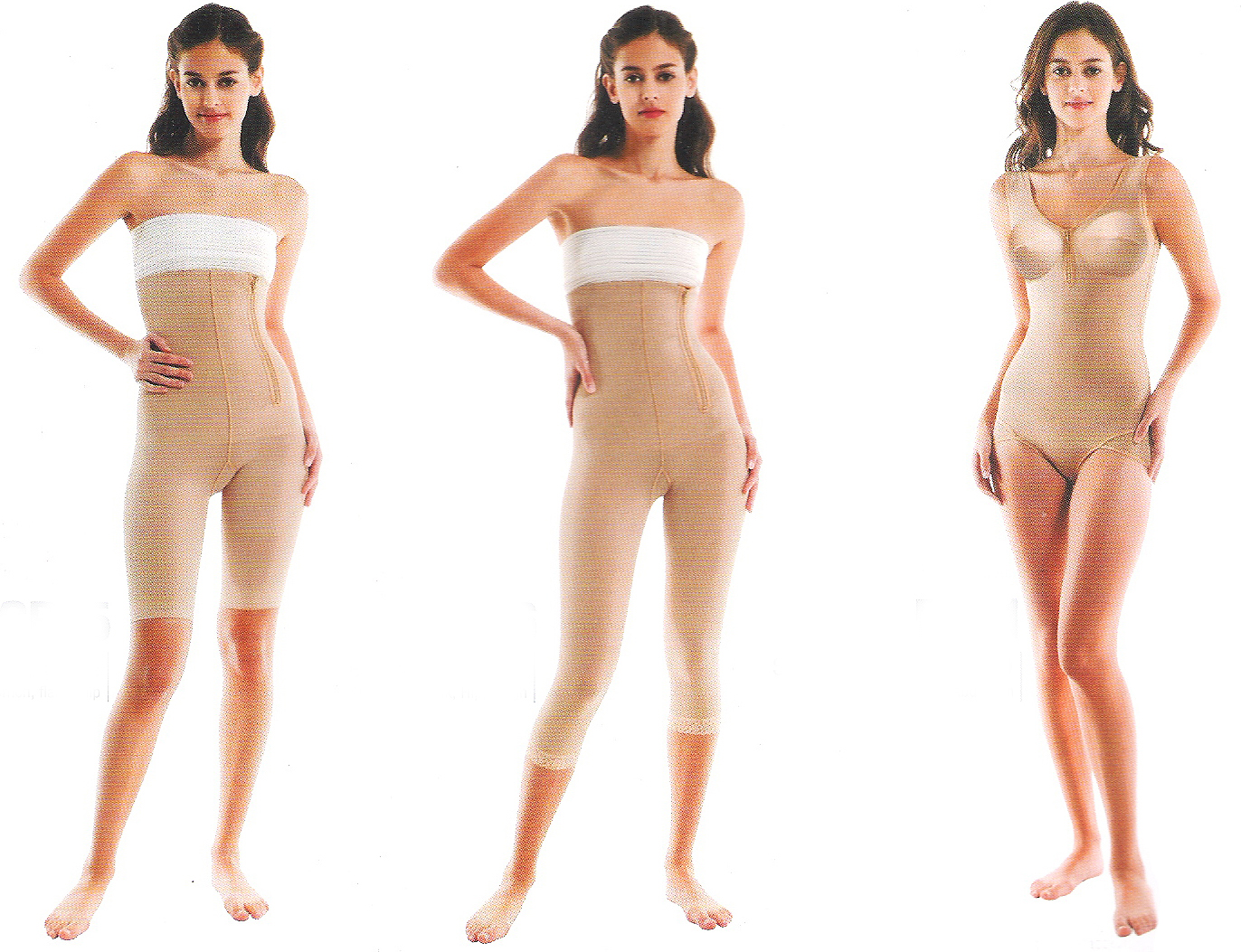
吸脂手术去除的是皮肤与肌肉之间的脂肪层。术后,脂肪去除所留下的空间需要被压缩,使皮肤能够贴合底层组织并自然收缩。塑身衣在引导皮肤均匀收缩、塑造自然流畅的体形方面起着至关重要的作用。因此,吸脂术后强烈建议穿着塑身衣,前2周应每天24小时穿着,总共建议穿着约1个月。
此外,塑身衣还能通过对手术区域施加压力来预防术后出血,促进淋巴循环以减轻肿胀,并稳定皮肤以减少活动时的疼痛。
9. 吸脂后皮肤的皮肤会松弛下垂吗?
许多人担心吸脂后皮肤会变得松弛、起皱。但实际上,与预期相反,皮肤在术后会发生收缩。与节食减肥不同,吸脂会触发皮肤的回缩反应,往往呈现更加自然光滑的外观。
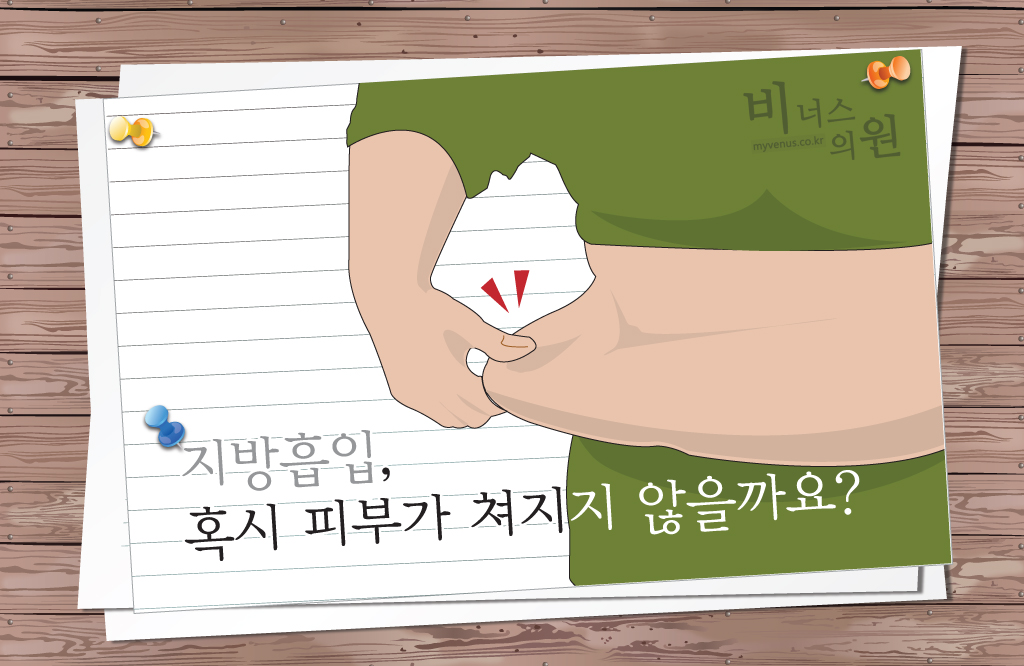
吸脂术后初期,皮肤可能呈现松弛状态。但随着无菌性炎症反应的发生,皮肤会逐渐收缩变紧。通过这一过程,皮肤与底层肌肉组织紧密贴合。
皮肤收缩的程度与术前皮肤弹性成正比。术前皮肤弹性越好的患者,术后效果越佳。这也是我们建议患者在手术前不要减肥的原因。
10. 节食减肥与吸脂手术有什么区别?
两者都是解决体脂问题的方法,但存在根本性差异。
第一,节食和运动的目的是减轻体重,而吸脂的目的是塑造体形。即体重管理应通过饮食控制和运动来实现,吸脂则是为了打造更美的身体曲线。
医学大致可分为内科和外科,某些疾病更适合某一种治疗方式。体重正常但体形不够理想的人群,通常存在局部脂肪堆积。
这些局部脂肪堆积最有效的治疗方式就是吸脂手术——甚至仅通过微型吸脂就能塑造出优美的身体线条。
吸脂是整形外科手术的一种,也是欧洲、美国和南美地区最常见的整形手术之一。
第二,节食和运动是通过缩小脂肪细胞的体积来减重,而吸脂则是直接去除脂肪细胞本身。因此,只要术后不出现体重增加,脂肪就不会反弹。但如果体重管理失败导致体重增加,剩余的脂肪细胞会增大。由于手术区域的脂肪细胞数量已减少,该区域的脂肪增加仍会少于未手术区域。因此,腹部吸脂后,乳房可能显得相对较大,这种现象被称为"不协调性肥胖"。
第三,吸脂比节食运动更快地解决体脂问题。术后仅一周,患者即可通过前后对比照片看到明显的体形变化。对于重度肥胖人群,即使付出巨大努力成功减重,许多人也会因精疲力竭而无法维持体重,导致反弹效应。而吸脂就如同乘坐电梯登顶——患者在术后有充沛的体力和精力开始并坚持饮食管理。
实际上,当患者看到吸脂后体形的改善,他们对身材的关注和爱惜会增加,健康意识也会增强,社交自信心恢复,工作和体重管理都会更加积极主动。
第四,许多年轻女性因工作繁忙或身体条件限制而难以通过运动减肥。同样,中年人基础代谢率下降,即使尽最大努力也难以减重。经过反复节食失败后,身体可能对减肥产生耐受性。在这种情况下,吸脂手术能有效去除体脂,同时达到美容和健康的双重效果。
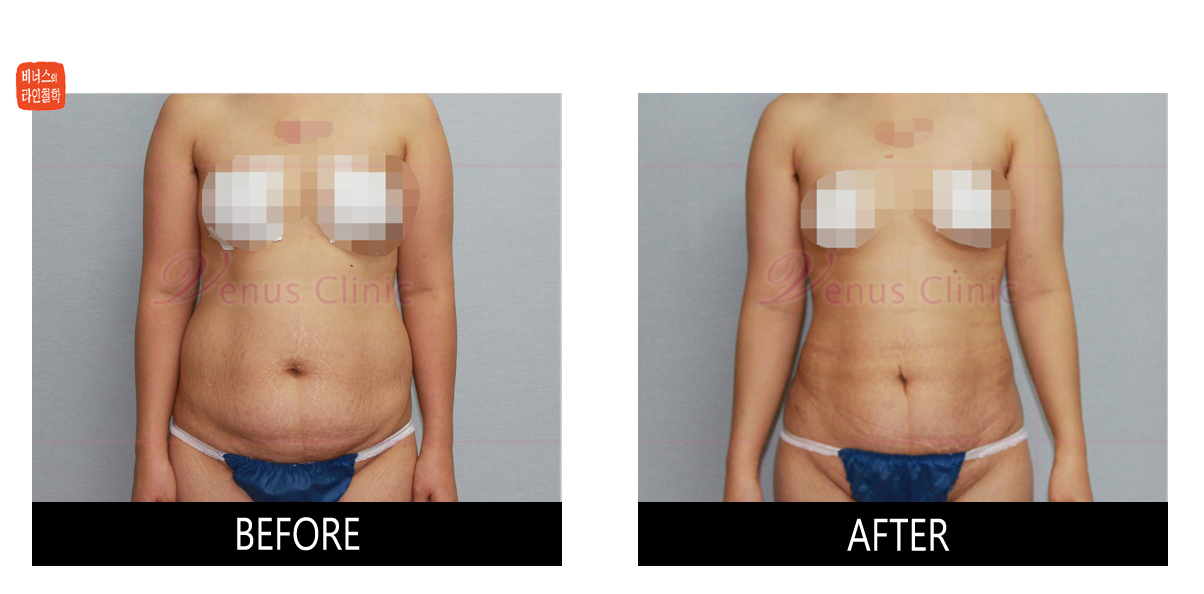
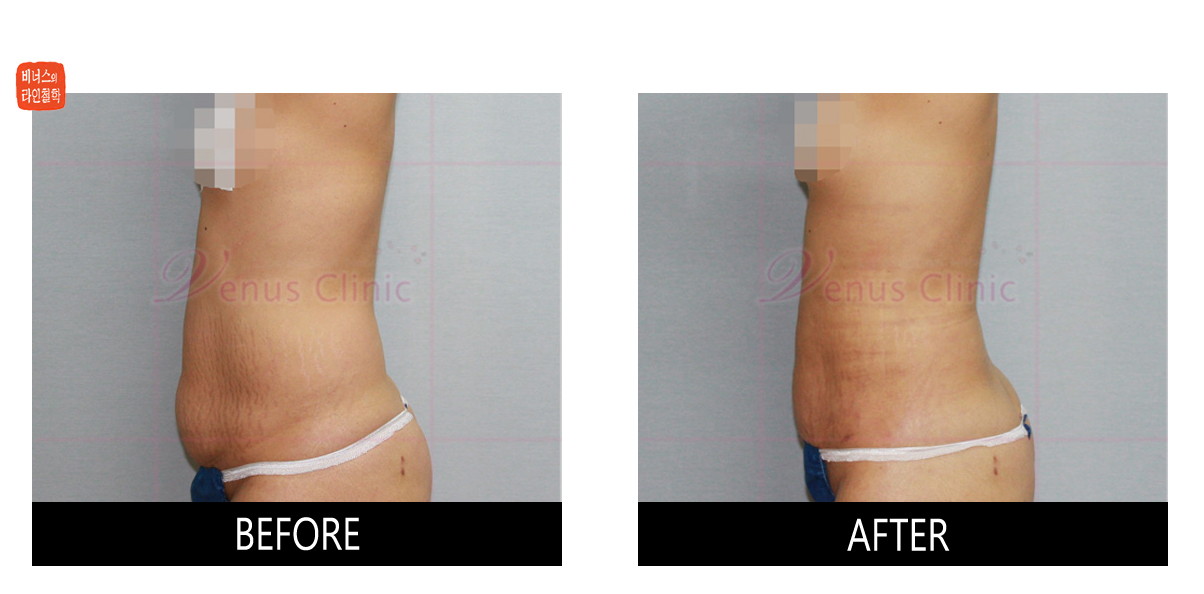
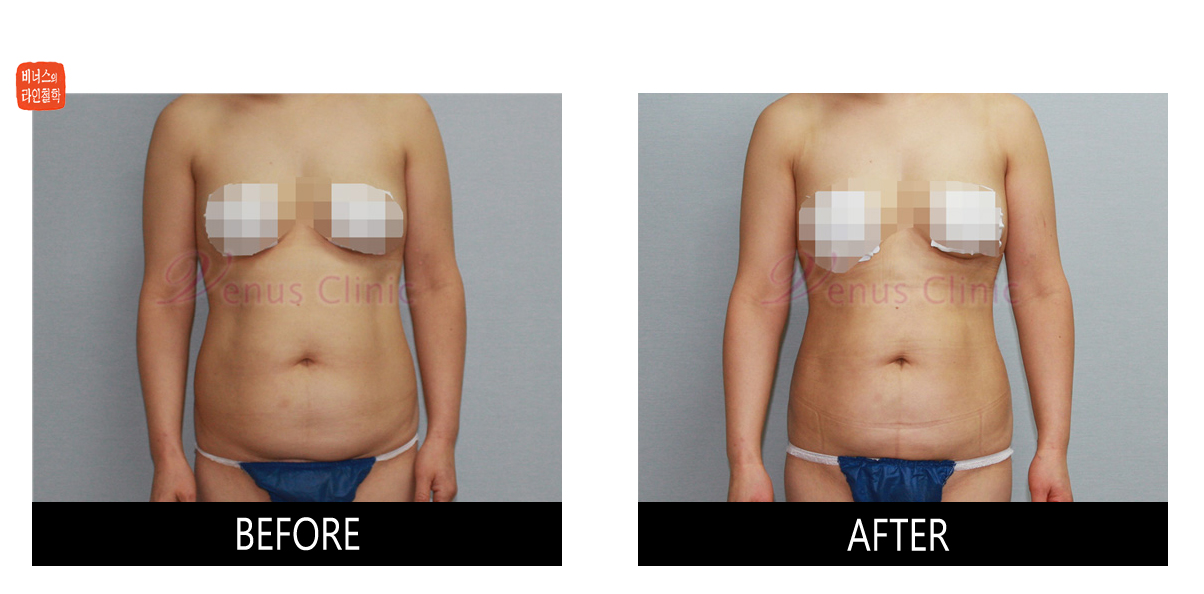
上图为一位产后对腹部脂肪堆积、皮肤松弛和妊娠纹深感困扰的患者。腹部吸脂诱导了皮肤回缩,改善了皮肤松弛并减轻了妊娠纹的外观。手术效果不仅体现在尺寸的显著缩小上,皮肤表面的美观度也得到了很大提升。
11. 维纳斯医院使用什么吸脂设备?
维纳斯医院基本采用微型套管手工精细吸脂技术。同时配备有Lipomatic振动辅助吸脂设备和第三代体内超声辅助吸脂设备VASER(Ultra-Z)。这些设备在大容量吸脂、需要明显皮肤收缩的区域、纤维组织致密坚硬的部位以及修复手术中选择性使用。目前,吸脂领域最安全、学术界最认可的金标准方法是肿胀麻醉局部麻醉技术配合微型套管的医生手工操作。虽然各种机器和技术可以辅助手术并促进皮肤收缩,但它们只是辅助工具,不能决定吸脂的整体效果。
脂肪分布决定了吸脂后的满意度,所以不能说这些技术保证有利的结果。手术结果最终取决于外科医生的"技能,能力和经验"。因此,您应该检查外科医生的声誉,以获得良好的抽脂结果,快乐的患者和道德标准。
Frequently Asked Questions
Below are some common questions and answers about liposuction. If you have any additional questions, please do not hesitate to contact us through our website or by phone. Thank you.
1. Is liposuction dangerous?
The level of risk associated with liposuction varies depending on the method used.
In studies involving general anesthesia (Grazer FM, de Jong RH. Fatal outcomes from liposuction: census survey of cosmetic surgeons. Plastic and Reconstructive Surgery 105:436-446, 2000), 95 deaths were reported out of 475,000 liposuction procedures performed between 1994 and 1998.
With tumescent liposuction (Housman TS, Lawrence N, Mellen BG, George MN, Filippo JS, Cerveny KA, DeMarco M, Feldman SR, Fleischer AB. The safety of liposuction: results of a national survey. Dermatol Surg. 2002 Nov;28(11):971-8.), no deaths were reported out of 65,000 procedures performed between 1994 and 2000.
Venus Clinic performs liposuction using the tumescent technique with local anesthesia. The safety of tumescent liposuction has been well established, and it has virtually eliminated the most serious complications associated with older forms of liposuction.
2. Is it painful?
There may be some discomfort during the infiltration of tumescent solution, during the liposuction itself, and after the procedure. However, with proper technique, pain during injection is minimal. Once the tumescent solution is evenly distributed, the procedure is essentially painless. Slight discomfort may occur toward the end of the procedure when only fibrous tissue remains.
During the operation, conscious sedation is administered to alleviate anxiety and any potential discomfort, so patients are asleep throughout the procedure and do not feel pain.
After the operation, the local anesthetic in the tumescent fluid remains in the adipose tissue for over 12 hours, resulting in very little postoperative pain. In most cases, over-the-counter acetaminophen (Tylenol) is sufficient for pain management.
3. When can I return to normal daily activities?
Recovery time varies depending on the volume of fat removed and the extent of the procedure. However, even with the large-volume liposuction typically performed at Venus Clinic, most patients can return to work within 24 to 72 hours. For localized mini-liposuction, patients can generally resume normal activities the day after the procedure.
Immediately after surgery, compression bandages are applied. On postoperative day 1 or 2, these are replaced with a compression garment. Once the compression garment is in place, mobility is much easier and daily activities are manageable. Most of the tumescent fluid drains through the incision sites within the first two days, with drainage decreasing significantly thereafter. By one week, drainage has essentially ceased. Therefore, if you can rest at home for two to three days, there should be no difficulty undergoing liposuction.
However, excessive physical activity after surgery may cause seroma formation. Seroma refers to the accumulation of plasma fluid in the space created by fat removal, which drains as a yellowish fluid through the incision sites. Seroma is more likely to occur when liposuction is performed too superficially or when excessively large cannulas are used.
In any case, vigorous exercise should be avoided for 3 to 4 weeks after surgery.
4. Will my skin become uneven after liposuction?
Approximately 5 to 7 days after the procedure, the treated area will begin to feel firm. This is a natural part of the healing process known as induration. During this phase, areas of varying firmness may create the appearance of slight unevenness. By around 4 weeks, the induration resolves and swelling diminishes, revealing a smooth result.
However, if surface irregularities persist several months after surgery, they may be due to uneven fat removal. The degree of irregularity depends on the surgeon's experience and technique. Full recovery from liposuction takes approximately 6 months. If contour irregularities are a concern, revision surgery should be considered only after 5 to 6 months, once complete healing has occurred.
It is important to emphasize that revision liposuction can be difficult, and restoration to the original condition is often challenging. For this reason, choosing an experienced surgeon and reputable clinic is extremely important. The advantage of Venus Clinic's handmade liposuction technique using microcannulas lies in minimizing the risk of surface irregularities.
5. How much weight will I lose after the procedure?
Liposuction is not a weight-loss procedure; it is a body contouring treatment. Since fat is bulky relative to its weight, the change in body contour is more significant than the change on the scale. Approximately one month after liposuction, weight loss typically amounts to about 70% of the volume of fat removed. However, temporary weight gain may occur immediately after surgery due to fluid retention and swelling. The most important factor is maintaining or reducing your weight after the procedure.
Even when a large volume of pure fat is removed -- for example, 3,000 ml -- the actual weight loss is approximately 2 kg. Therefore, patients who wish to achieve further weight loss should also follow a proper diet.
According to patient satisfaction studies, those who maintain their weight after liposuction report higher satisfaction and greater confidence in their body image.
6. Will the fat come back after the procedure?
Fat cells do not regenerate or multiply after adolescence; only their size changes. Since liposuction permanently removes fat cells from the treated area, the fat will not return as long as your weight remains stable. However, if significant weight gain occurs after the procedure, the remaining fat cells can enlarge.
For example, if the untreated area has a fat layer thickness of 4 cm and the treated area is reduced to 2 cm, and you subsequently double your body weight, the fat layer increases proportionally throughout the body. The untreated area would become 8 cm while the treated area would become 4 cm. The difference widens from 2 cm to 4 cm, which may cause the treated area to appear relatively concave.
However, a true rebound effect -- where the treated area returns to its original thickness without weight gain -- does not occur, because the removed fat cells do not regenerate.
In conclusion, as long as you maintain your weight, fat will not accumulate again in the treated area.
7. How much liposuction can be performed in a single session?
We do not recommend removing more than 5,000 cc of supranatant fat in a single session. Removing larger volumes increases the risk of complications. If additional liposuction is needed, it should be scheduled at least 3 to 4 weeks later. There is a limit to the surgical trauma the human body can safely tolerate. Combining liposuction with other plastic surgery procedures is not recommended. Performing multiple procedures under general or intravenous anesthesia in a single day poses significant safety risks.
With tumescent liposuction, the dosage of the local anesthetic lidocaine must be carefully calculated to avoid exceeding toxic levels. The conservative estimate of the maximal safe dose of lidocaine is 35 mg/kg, and the American Society for Aesthetic Plastic Surgery recommends not exceeding 55 mg/kg.
As a result, using 35 mg/kg of lidocaine, the maximum areas that can be treated in a single session are typically either the entire thighs and buttocks, the entire thoracoabdominal region, or the arms and axillary areas. Exceeding this range with the tumescent technique risks lidocaine toxicity and should be avoided.
With general anesthesia, the scope of the procedure is not limited by the local anesthetic dosage, allowing larger areas to be treated. However, this significantly increases the risk of other complications. The greatest risk factor for liposuction-related incidents is venous thromboembolism, which is primarily caused by excessive tissue trauma, hypothermia associated with general anesthesia, and hemodilution from excessive intravenous fluid administration.
The factors that contribute to increased fatality rates under general or intravenous anesthesia include:
- Multiple simultaneous procedures
- Prolonged surgery time
- Excessive fat removal during a single session
- Intravenous fluid overload
- Permissiveness of toxic doses of lidocaine when combined with general anesthesia
For large-volume liposuction exceeding 5,000 ml, Venus Clinic employs a two-doctor system in which two surgeons operate simultaneously. This approach reduces the operating time by more than half (typically 1 to 2.5 hours), making the procedure faster and safer than conventional methods. Even for patients with significant obesity, we perform the procedure under local tumescent anesthesia with conscious sedation alone, without general anesthesia. The reduced operating time allows for thorough and meticulous fat removal, achieving smooth contours even in large-volume cases. While large-volume liposuction requires meticulous attention and careful postoperative management, Venus Clinic has extensive expertise in this area.
The photograph above shows the aspirate collected after liposuction. The yellow upper layer is the extracted fat, and the lower layer is the tumescent anesthetic fluid. The minimal presence of blood indicates that the procedure was performed with very little hemorrhage. In this case, the pure fat volume was approximately 3,000 ml, corresponding to an estimated weight loss of about 2 kg.
By performing tumescent liposuction, Venus Clinic minimizes bleeding and the risk of complications while being able to remove 5,000 ml or more of fat and achieve excellent aesthetic results.
8. Do I need to wear a compression garment after surgery?
Liposuction removes the fat layer between the skin and the underlying muscle. After surgery, the space left by the removed fat must be compressed so that the skin can contract and adhere smoothly to the underlying tissue. The compression garment plays a crucial role in guiding this skin retraction process to achieve a natural, well-contoured result (reshaping). Therefore, wearing a compression garment after liposuction is highly recommended. It should be worn 24 hours a day for approximately 2 weeks, and continued for up to 1 month.
In addition, the compression garment helps prevent postoperative bleeding by applying pressure to the surgical area, promotes lymphatic circulation to reduce swelling, and stabilizes the skin to minimize pain during movement.
9. Will the skin sag after liposuction?
Many people worry that their skin will become loose and wrinkled after liposuction. However, contrary to expectations, the skin actually contracts after the procedure. Unlike weight loss through dieting, liposuction triggers skin retraction, often resulting in a smoother, more natural appearance.
Immediately after liposuction, the skin may appear loose and saggy. However, a non-infectious inflammatory response occurs that causes the skin to contract and firm up. Through this process, the skin adheres closely to the underlying muscle tissue.
The degree of skin retraction is proportional to the skin's pre-existing elasticity. Patients with good skin elasticity before surgery achieve the best results. This is why we advise patients not to lose weight before the procedure.
10. What is the difference between dieting and liposuction?
Both are approaches to addressing body fat, but there are fundamental differences.
First, dieting and exercise aim to reduce overall body weight, while liposuction is designed to reshape the body contour. In other words, weight management should be achieved through diet and exercise, whereas liposuction is performed to create a more aesthetically pleasing body line.
Medicine can broadly be divided into internal medicine and surgery, with certain conditions better suited to one approach or the other. Patients who have a normal body weight but an unattractive body shape typically have localized fat deposits (Local Fat Tissue Deposition). These localized fat deposits are most effectively treated with liposuction -- even mini-liposuction alone can create beautiful body contours.
Liposuction is a form of cosmetic surgery and is one of the most commonly performed plastic surgery procedures in Europe, the United States, and South America.
Second, dieting and exercise reduce the size of existing fat cells, resulting in weight loss, whereas liposuction physically removes the fat cells themselves. Therefore, as long as there is no weight gain after the procedure, the fat will not return. However, if weight management fails and weight increases, the remaining fat cells will enlarge. The treated area will still accumulate less fat than untreated areas due to the reduced number of fat cells.
As a result, after abdominal liposuction, the breasts may appear relatively larger -- both because the abdominal size has decreased and because, with weight gain, the breast tissue (which contains a high proportion of fat) may enlarge disproportionately. This phenomenon is known as disharmonious obesity. In conclusion, if a sufficient amount of fat tissue has been removed, the rebound (yo-yo) effect does not occur after liposuction.
Third, liposuction resolves body fat concerns much faster than dieting and exercise. Just one week after surgery, patients can clearly see a significant difference in their body contour in before-and-after photographs. For severely obese individuals, even after the tremendous effort of climbing the "mountain" of weight loss through dieting, many become exhausted and fail to maintain their weight, resulting in a rebound effect that worsens their condition. With liposuction, however, it is like taking an elevator to the top of that mountain -- patients have the physical and mental energy to start and maintain a diet afterward.
In practice, once patients see their improved body contour after liposuction, they develop greater attachment to their appearance, increased interest in their health, and renewed social confidence, becoming more proactive and motivated to manage their weight.
Fourth, many young women struggle with weight loss due to demanding work schedules or physical limitations. Similarly, middle-aged individuals may find that their reduced basal metabolic rate makes weight loss extremely difficult despite their best efforts. After repeated failed diets, the body may develop resistance to further weight loss. In such cases, liposuction can effectively reduce body fat, delivering both aesthetic and health benefits.
The photographs above show a patient concerned about abdominal fat accumulation, skin laxity, and stretch marks following childbirth. Abdominal liposuction induced skin retraction, improving both skin laxity and the appearance of stretch marks. The result was not only a significant reduction in size but also an aesthetically improved skin surface.
11. What liposuction equipment does Venus Clinic use?
Venus Clinic fundamentally employs a handmade micro-liposuction technique using microcannulas. We also have equipment including a Lipomatic power-assisted vibration device and the third-generation internal ultrasound-assisted VASER (Ultra-Z) system. These are used selectively for large-volume liposuction, areas requiring significant skin retraction, regions with dense fibrous tissue, and revision cases.
Currently, the gold standard for liposuction -- the safest and most academically recognized method -- is the tumescent local anesthesia technique combined with microcannulas operated by the surgeon's own hands. While various machines and technologies may assist the procedure and promote skin retraction, they are supplementary tools and do not determine the overall outcome of liposuction. This important distinction is often overlooked. Many of these technologies still require extensive clinical experience and academic validation.
Dr. Fournier, widely regarded as the father of modern liposuction, performed the procedure using only syringe suction without any specialized equipment.
A skilled liposuction surgeon can achieve outstanding results regardless of the equipment used. Ultimately, it is the surgeon's hands, meticulous care, and dedication that determine the quality of the result. Therefore, rather than choosing a clinic based on its equipment, we recommend selecting a surgeon based on their dedication to patient care, ethical standards, experience, skill, and the physical endurance required to perform these demanding procedures.